
In today’s hyper-connected world, businesses of all sizes are increasingly relying on digital technologies to drive growth, innovation, and productivity. Whether you’re operating a small start-up or a multinational corporation, digital infrastructure has become the backbone of your operations. However, with this reliance on digital systems comes an increased vulnerability to cyberattacks and data breaches. Network security plays a crucial role in safeguarding your business’s sensitive data, intellectual property, and financial assets. This article explores why network security is essential for modern businesses and provides key insights into its importance.
Key Takeaways
- Network security is vital for protecting sensitive data, intellectual property, and financial assets from cyberattacks.
- A strong network security strategy includes firewalls, encryption, intrusion detection systems, and regular updates.
- Cybersecurity threats are constantly evolving, and businesses must stay proactive to stay ahead of potential risks.
- Protecting network security helps build customer trust and ensures compliance with industry regulations.
- Small businesses, in particular, are vulnerable to cyberattacks and should prioritize network security to avoid financial and reputational damage.
What Is Network Security?
| Aspect | Description |
|---|---|
| Definition | Network security refers to a set of practices, policies, and technologies designed to protect the integrity, confidentiality, and availability of computer networks and data from unauthorized access, misuse, or attack. |
| Key Components | Firewalls, Intrusion Detection Systems (IDS), encryption, VPNs, anti-malware tools, and secure access controls. |
| Purpose | To protect sensitive data, prevent unauthorized access, ensure network availability, and safeguard against cyberattacks and data breaches. |
| Importance | Essential for protecting business data, intellectual property, financial assets, and maintaining customer trust. |
| Challenges | Evolving cyber threats, the complexity of modern IT infrastructures, employee errors, and the need for continuous updates and vigilance. |
| Key Techniques | Encryption, firewalls, multi-factor authentication (MFA), secure communication protocols, intrusion prevention systems (IPS), network monitoring. |
| Impact on Businesses | Network security helps businesses avoid data breaches, financial losses, downtime, reputational damage, and legal consequences due to non-compliance. |
| Regulatory Compliance | Ensures businesses comply with data protection laws like GDPR, HIPAA, and other industry-specific regulations regarding data security. |
| Emerging Trends | Artificial intelligence (AI) and machine learning for threat detection, zero-trust security models, and cloud security enhancements. |
Network security refers to a set of practices, policies, and technologies designed to protect the integrity, confidentiality, and availability of computer networks and data. These measures include hardware and software solutions designed to protect against unauthorized access, cyberattacks, malware, and other security threats. As businesses adopt cloud-based platforms, internet of things (IoT) devices, and other modern technologies, network security has become even more important.
Modern network security includes a wide range of measures, such as firewalls, encryption, intrusion detection systems (IDS), multi-factor authentication (MFA), and secure virtual private networks (VPNs). These tools work together to create a secure environment where data can be transmitted, stored, and accessed safely.
The Importance of Network Security in Business
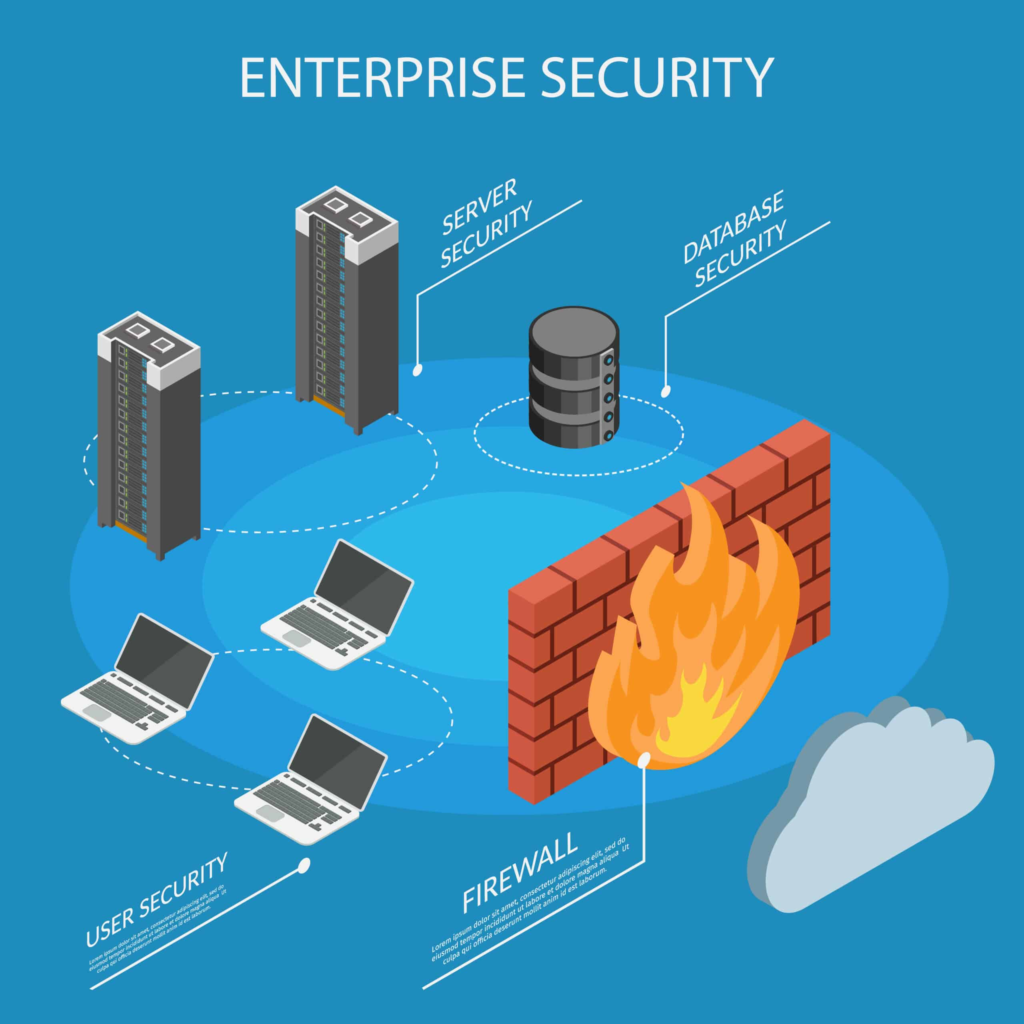
Network security is crucial for modern businesses for several reasons. Without proper network security, businesses face significant risks that could jeopardize their reputation, financial health, and even their ability to operate.
Protection of Sensitive Data
Businesses handle a tremendous amount of sensitive information, from customer personal data to financial records. A breach in network security could lead to the theft or exposure of this data, which may result in regulatory penalties, lawsuits, and damage to the company’s reputation. Protecting this information is essential to maintaining trust with customers, stakeholders, and regulatory bodies.
Safeguarding Intellectual Property
Many businesses rely on intellectual property (IP) for their competitive advantage, whether it be patents, trademarks, proprietary software, or trade secrets. A cyberattack or data breach could result in the theft of this valuable information, which could be used by competitors to undermine the business’s position in the market. Effective network security ensures that only authorized personnel have access to sensitive IP.
Preventing Financial Loss
Cyberattacks, such as ransomware and phishing scams, can cause significant financial damage to a business. For example, a ransomware attack might lock a company’s important files, demanding payment in exchange for their release. In some cases, cybercriminals may even exploit vulnerabilities in a company’s payment systems to steal funds directly. Network security measures, such as encryption and secure payment systems, are essential for preventing these types of attacks.
Maintaining Business Continuity
Downtime caused by cyberattacks can be extremely costly for businesses. When a network is compromised, operations can come to a halt as IT teams work to fix the issue. For businesses that rely on continuous access to data and systems, network security is essential for ensuring that operations run smoothly and without interruption. Implementing disaster recovery plans and backup systems is critical to maintaining business continuity during a security breach.
Compliance with Regulations
Many industries are subject to regulations that require businesses to implement strong data protection measures. For example, the General Data Protection Regulation (GDPR) mandates strict requirements for data protection and privacy in the European Union. In the U.S., the Health Insurance Portability and Accountability Act (HIPAA) governs the protection of patient data in the healthcare industry. Non-compliance with these regulations due to poor network security can lead to hefty fines, legal consequences, and reputational damage.
Enhancing Customer Trust
In an era where cyberattacks are increasingly common, customers are becoming more aware of the risks to their personal information. When customers trust that a business has robust network security in place, they are more likely to share their data and engage with the company. A reputation for excellent security can become a competitive advantage, helping businesses to attract and retain customers.
Protection Against Evolving Threats
Cybersecurity threats are constantly evolving, with new types of malware, ransomware, and phishing attacks emerging every day. Businesses must stay ahead of these threats to protect their networks. A proactive approach to network security that includes regular updates, threat monitoring, and employee training is essential for keeping pace with the ever-changing cybersecurity landscape.
Key Elements of Network Security
A comprehensive network security strategy involves several key elements that work together to protect a business’s network. These include:
Firewalls
Firewalls are essential for controlling incoming and outgoing traffic on a network. They act as a barrier between the internal network and external threats, monitoring traffic to prevent unauthorized access.
Encryption
Encryption ensures that sensitive data is unreadable to unauthorized individuals. Even if data is intercepted during transmission, encryption ensures that only authorized users can decrypt and access it.
Intrusion Detection and Prevention Systems (IDPS)
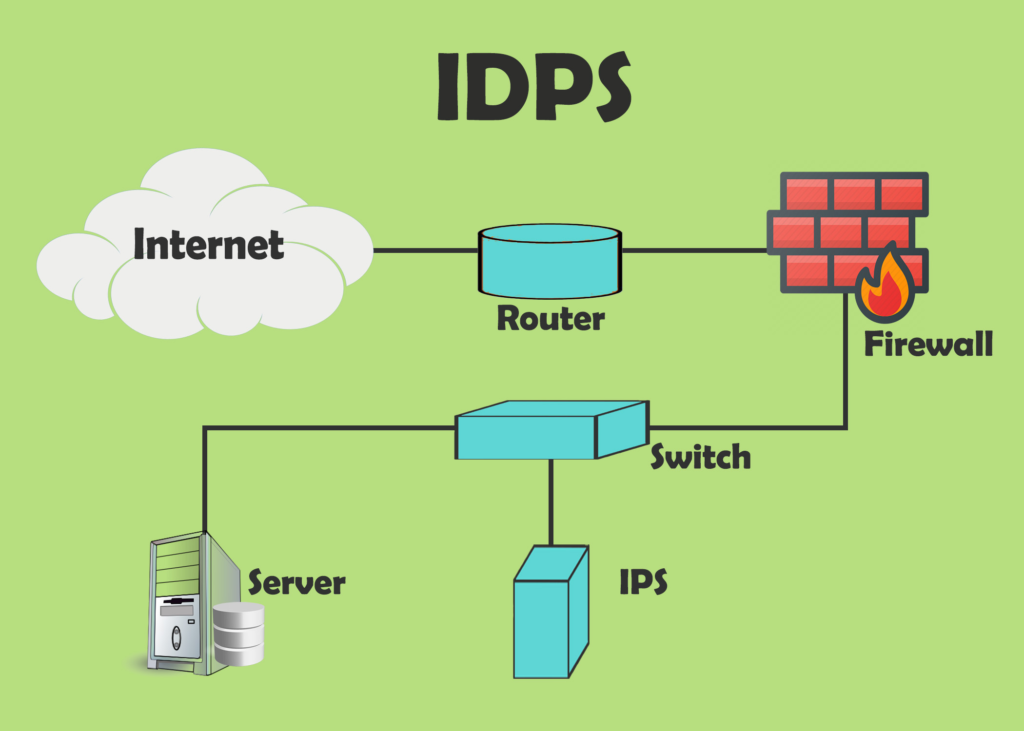
IDPS are designed to monitor network traffic for signs of malicious activity and take action to prevent breaches. These systems can detect and block attacks in real-time.
Multi-Factor Authentication (MFA)
MFA requires users to provide multiple forms of verification before they can access a system. This makes it significantly harder for cybercriminals to gain access using stolen credentials.
Virtual Private Networks (VPNs)
VPNs provide a secure connection between remote users and a company’s internal network. They encrypt data transmission, ensuring that it cannot be intercepted by third parties.
Regular Software Updates and Patch Management
Keeping software up to date is crucial for addressing vulnerabilities that cybercriminals may exploit. Regular updates and patch management help to protect against known security threats.
Employee Training
Since many cyberattacks exploit human error, educating employees on best practices for network security is essential. This includes training on recognizing phishing emails, using strong passwords, and safeguarding sensitive data.
Also Read :-How Can Organizations Improve Their Cloud Security?
Conclusion
Network security is an essential aspect of modern business operations. As the digital landscape continues to evolve, businesses must adopt robust security measures to protect their data, assets, and reputation. By implementing a comprehensive network security strategy that includes firewalls, encryption, intrusion detection systems, and employee training, businesses can minimize the risk of cyberattacks and ensure business continuity.
As cyber threats become increasingly sophisticated, it’s important to stay proactive and vigilant about network security. Businesses that invest in strong security measures not only protect themselves but also build trust with customers and comply with regulatory requirements.
FAQs
What Are the Most Common Network Security Threats?
Some of the most common network security threats include malware, ransomware, phishing attacks, denial-of-service (DoS) attacks, and man-in-the-middle attacks. These threats can result in data breaches, system downtime, and financial losses.
How Can I Protect My Business from Cyberattacks?
To protect your business from cyberattacks, implement a comprehensive network security strategy that includes firewalls, encryption, multi-factor authentication, intrusion detection systems, and employee training. Regularly update your software and conduct security audits to identify vulnerabilities.
Why Is Network Security Important for Small Businesses?
Small businesses are often targeted by cybercriminals because they may lack the resources or expertise to implement robust security measures. A successful cyberattack can have devastating consequences for a small business, including financial losses, reputational damage, and legal consequences.
How Does Network Security Impact Customer Trust?
Customers want to know that their personal information is safe when interacting with a business. By investing in network security, businesses demonstrate that they prioritize data protection, which can help build trust and strengthen customer relationships.
What Is the Role of Encryption in Network Security?
Encryption plays a vital role in protecting sensitive data by making it unreadable to unauthorized users. It is particularly important for securing communications and financial transactions over the internet.
Can Network Security Prevent All Cyberattacks?
While network security can significantly reduce the risk of cyberattacks, no system is completely foolproof. Businesses must take a multi-layered approach to cybersecurity and continuously monitor for potential threats.
How Often Should I Update My Network Security?
Network security should be an ongoing priority. Regular updates to software, hardware, and security protocols are essential for addressing vulnerabilities and staying ahead of emerging threats. It’s also important to conduct periodic security audits.