
In today’s rapidly evolving digital landscape, organizations of all sizes face an increasing number of cyber threats and security breaches. Whether it’s data breaches, cyber-attacks, or insider threats, businesses must take proactive steps to protect their information and systems. One of the most critical measures in safeguarding any organization is establishing a comprehensive security policy. This document outlines the organization’s security protocols, guidelines, and best practices to ensure the safety of both digital and physical assets.
In this article, we will explore the importance of a security policy, its key components, and how it can help safeguard an organization from cyber threats, ensuring operational continuity and legal compliance.
Key Takeaway
A comprehensive security policy provides a solid framework for managing cybersecurity risks and ensuring the protection of sensitive data. It is not only vital for preventing security breaches but also for building trust with customers, ensuring compliance with legal requirements, and safeguarding the organization’s long-term success.
What Is a Security Policy?
| Aspect | Description |
|---|---|
| Definition | A formalized document that outlines an organization’s approach to managing and protecting its information, assets, and IT infrastructure. |
| Purpose | To provide clear guidelines and best practices for securing sensitive data and preventing unauthorized access to organizational systems and networks. |
| Scope | Covers various areas including data protection, network security, employee behavior, incident response, and legal compliance. |
| Key Components | – Information Security Policies – Acceptable Use Policies – Password Policies – Network Security Policies – Incident Response Policies |
| Target Audience | Employees, contractors, IT staff, and third-party partners involved in handling organizational assets and information. |
| Importance | Ensures the confidentiality, integrity, and availability of information while minimizing risks like cyber-attacks, data breaches, and system vulnerabilities. |
| Compliance Requirements | Helps organizations comply with industry regulations like GDPR, HIPAA, and PCI-DSS to avoid legal penalties. |
| Enforcement | Policies must be followed by all employees and relevant parties, with enforcement mechanisms and regular audits to ensure adherence. |
| Review Cycle | Security policies should be reviewed and updated regularly to account for emerging threats, new technologies, and regulatory changes. |
A security policy is a formalized document that outlines an organization’s approach to managing and protecting its information, assets, and IT infrastructure. It defines security objectives, guidelines, rules, and procedures to mitigate risks, ensuring that both employees and external partners adhere to best practices for cybersecurity. These policies serve as a blueprint for maintaining the confidentiality, integrity, and availability of data.
A security policy serves as a foundation for implementing various security measures, such as firewalls, encryption protocols, and multi-factor authentication, and also provides clear instructions for responding to security incidents and breaches.
Types of Security Policies
A security policy can cover a broad range of areas within an organization. Some of the most common types of security policies include:
- Information Security Policy: Addresses the protection of sensitive information, such as customer data, intellectual property, and confidential business data.
- Acceptable Use Policy (AUP): Defines the acceptable use of company assets like computers, software, and network resources.
- Password Policy: Specifies the rules around the creation, maintenance, and management of passwords for network and system access.
- Network Security Policy: Establishes guidelines for securing an organization’s network infrastructure, such as firewalls, routers, and wireless systems.
- Incident Response Policy: Outlines the steps an organization should take when a security incident or breach occurs, ensuring a coordinated response to minimize damage.
Why Is a Security Policy Important?
A security policy is not just a legal document; it plays a vital role in protecting an organization’s assets, intellectual property, and reputation. Below are some key reasons why a security policy is essential for every organization.
Protecting Sensitive Information
One of the primary reasons for implementing a security policy is to protect sensitive information. This could include financial data, customer details, trade secrets, intellectual property, and more. By establishing clear rules around how sensitive data should be handled, stored, and shared, businesses can prevent unauthorized access, data leaks, or theft.
For example, a company that deals with medical records must have strict policies in place to ensure patient privacy, in compliance with regulations such as HIPAA (Health Insurance Portability and Accountability Act). Similarly, organizations handling financial transactions must comply with PCI-DSS (Payment Card Industry Data Security Standard) to ensure that customer payment information remains secure.
Preventing Security Breaches
Security breaches can have devastating consequences for an organization, including financial losses, reputational damage, and legal penalties. A robust security policy serves as a preventive measure, offering a proactive approach to identifying and addressing potential vulnerabilities before they can be exploited by cybercriminals.
Security policies help mitigate threats like phishing attacks, malware, ransomware, and insider threats by setting clear guidelines on how employees should behave online, how data should be encrypted, and how unauthorized access to systems should be prevented.
Compliance with Regulations and Legal Requirements
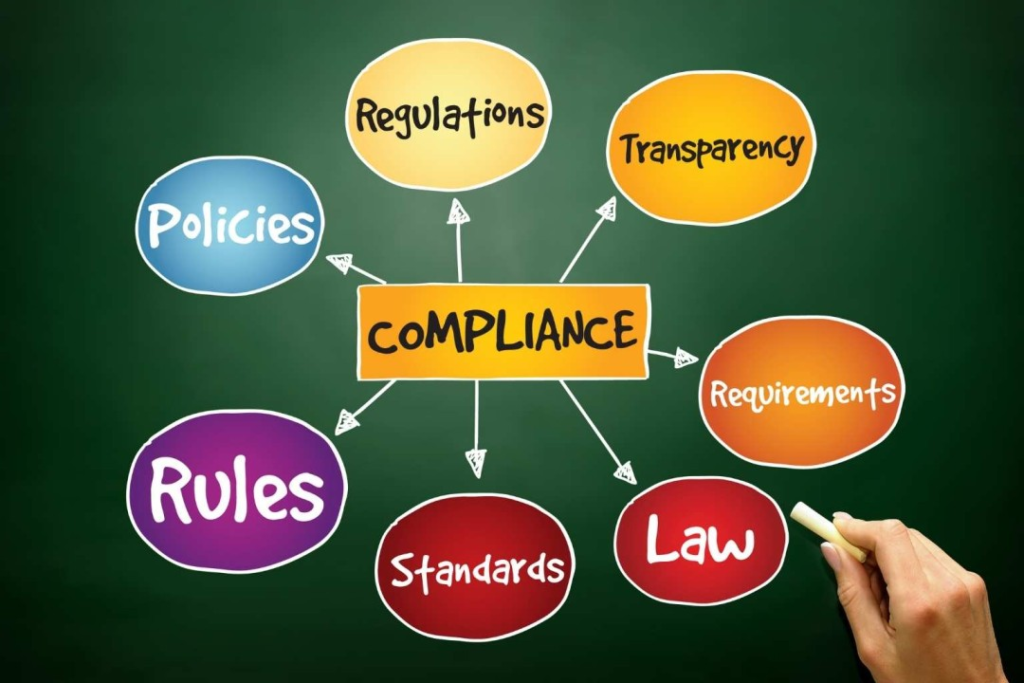
A comprehensive security policy ensures that your organization complies with industry standards, regulations, and legal requirements related to data protection. Different sectors, such as healthcare, finance, and e-commerce, often have specific laws that govern how data should be handled. Failure to comply with these regulations can result in severe financial penalties and reputational harm.
For example, GDPR (General Data Protection Regulation) is a strict privacy regulation in the European Union that mandates how organizations should manage personal data. Non-compliance could result in fines up to 4% of annual global turnover or €20 million, whichever is greater.
Building a Security-Aware Culture
A security policy provides the foundation for creating a security-aware culture within the organization. It educates employees about the importance of cybersecurity and encourages them to adopt good security practices, such as using strong passwords, avoiding suspicious emails, and reporting security incidents.
Employees are often the first line of defense against cyber threats, and having a security policy in place ensures they understand their role in maintaining security. Regular training sessions and awareness programs can also complement the policy, keeping employees up to date on new threats and best practices.
Incident Response and Business Continuity
A well-defined security policy helps organizations develop a plan for responding to security incidents, ensuring that they can act swiftly and effectively to minimize damage. This is particularly important in today’s environment, where cyber-attacks and data breaches can happen without warning.
In addition to responding to incidents, a security policy also outlines procedures for business continuity, ensuring that the organization can continue operating in the event of a cyber-attack, natural disaster, or other disruptive event. This could include backing up critical data, establishing disaster recovery plans, and creating communication protocols for affected stakeholders.
Risk Management
A security policy is a key tool for managing risk within an organization. By identifying potential threats and vulnerabilities, businesses can create strategies to mitigate these risks, such as implementing stronger access controls, using encryption technologies, or investing in network monitoring tools. A risk-based approach helps organizations prioritize security investments and resources to safeguard their most valuable assets.
Improving Trust and Reputation
When a business has a comprehensive security policy in place and follows it diligently, it can instill trust in its customers, partners, and stakeholders. Customers are more likely to trust a company that takes cybersecurity seriously, especially when it involves handling sensitive personal or financial data. A strong reputation for security can be a competitive advantage in today’s market.
Key Components of a Security Policy
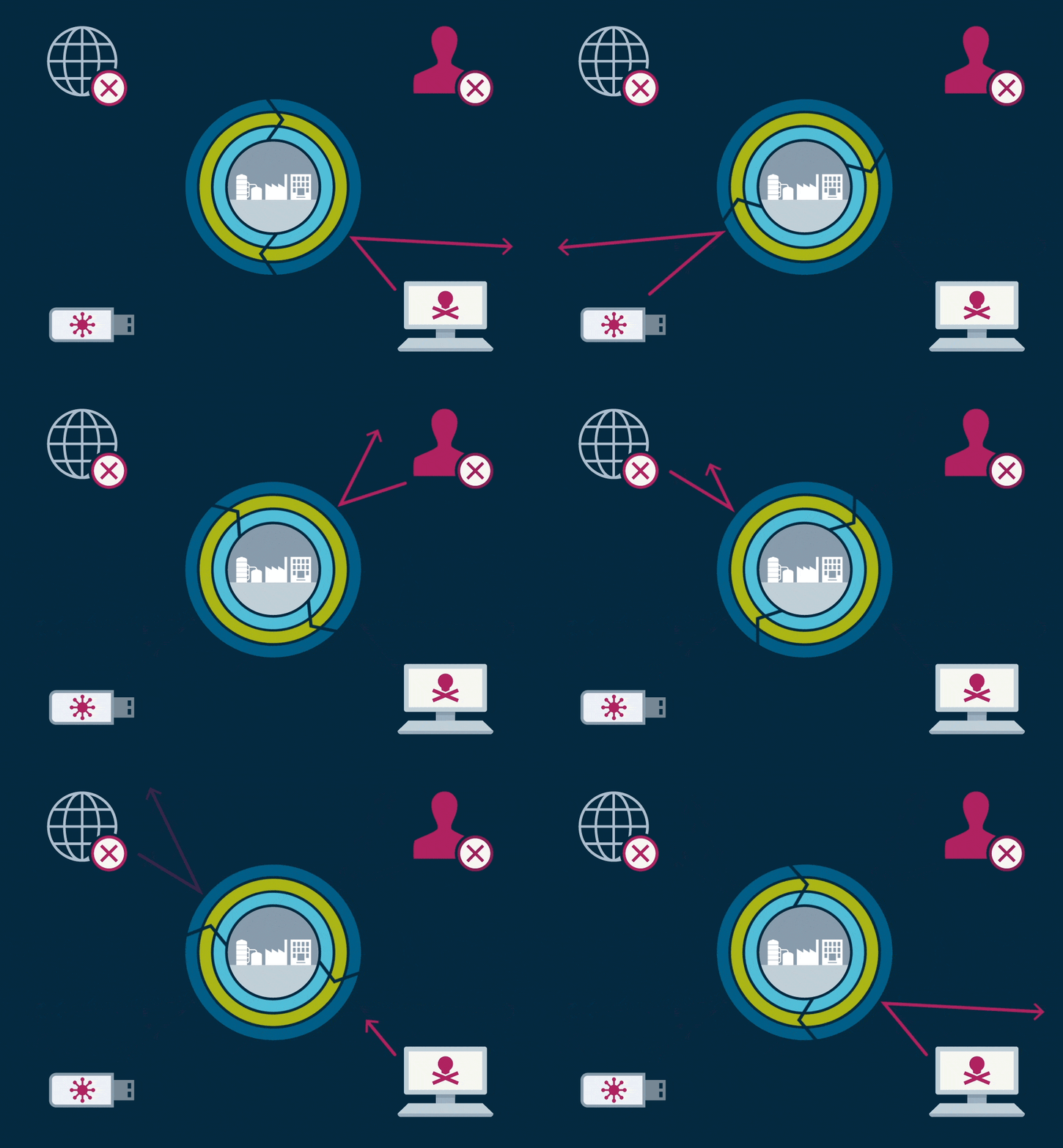
A well-drafted security policy covers several critical components, which together form a comprehensive approach to managing cybersecurity. These include:
Access Control Policies
Access control policies define who has access to different systems and data within the organization. This includes setting permissions based on job roles and responsibilities and implementing multi-factor authentication (MFA) to prevent unauthorized access.
Data Protection and Encryption Policies
A key part of any security policy is ensuring that sensitive data is protected both at rest (when stored) and in transit (when being transmitted). This can be achieved by using encryption technologies and ensuring that only authorized personnel can access or modify the data.
Monitoring and Auditing Policies
Monitoring policies involve tracking access to systems, network activity, and potential security incidents. Regular audits help organizations ensure that security policies are being followed and identify areas for improvement.
Incident Response and Reporting Policies
This section outlines the procedures for reporting and responding to security incidents, including who is responsible for managing the incident, the steps to contain the threat, and how to communicate with affected parties.
Training and Awareness Policies
Continuous education is crucial to maintaining a strong security posture. Training policies ensure that employees stay informed about security threats, phishing tactics, and how to protect company data.
Also Read :-Can A Security Framework Prevent Data Breaches?
Conclusion
A security policy is a critical tool for any organization seeking to protect its information, assets, and reputation in an increasingly connected world. By establishing clear guidelines, ensuring compliance, and fostering a culture of security awareness, businesses can mitigate risks and prevent costly security breaches. The importance of a security policy cannot be overstated, and organizations must prioritize its development and implementation as part of their overall risk management strategy.
FAQs
What should be included in a security policy?
A security policy should include guidelines on data protection, access control, incident response, employee training, acceptable use of technology, and compliance with relevant laws and regulations.
How often should a security policy be reviewed?
A security policy should be reviewed at least annually, or whenever there are significant changes to the organization’s operations, technology, or regulatory environment.
Who is responsible for enforcing a security policy?
The responsibility for enforcing a security policy typically falls to the organization’s IT department, security officers, and upper management. However, all employees are responsible for following the policy.
How can a security policy help with regulatory compliance?
A security policy ensures that the organization adheres to legal requirements such as GDPR, HIPAA, and PCI-DSS. It provides a structured framework for managing sensitive data in compliance with these regulations.
Can a security policy prevent all security breaches?
While a security policy significantly reduces the likelihood of security breaches, it cannot completely eliminate all risks. It should be part of a broader risk management strategy that includes regular updates, monitoring, and incident response plans.
What is the difference between a security policy and a security procedure?
A security policy outlines the overarching goals, principles, and responsibilities related to security, while a security procedure provides specific instructions on how to implement the policy, such as technical controls and operational steps.
What happens if an organization fails to implement a security policy?
Failure to implement a security policy can result in vulnerabilities, security breaches, financial losses, reputational damage, and legal consequences. It can also lead to non-compliance with industry regulations.