
In the digital age, data breaches have become one of the most significant concerns for businesses and organizations across the globe. Cyberattacks and hacking attempts are constantly evolving, and the importance of robust cybersecurity measures has never been higher. One of the most effective ways to mitigate the risk of data breaches is by implementing a security framework. But the question remains: Can a security framework prevent data breaches?
In this article, we will explore what a security framework is, how it functions, and whether it can truly prevent data breaches. Along the way, we’ll discuss key concepts, best practices, and the role of security frameworks in modern cybersecurity.
Key Takeaways
- A security framework provides a structured approach to cybersecurity and helps organizations manage risks.
- Security frameworks are not foolproof and cannot prevent all data breaches, but they minimize risks by identifying vulnerabilities and implementing protective measures.
- Regular review and continuous improvement of security frameworks are essential for staying ahead of evolving cyber threats.
- Human error, the complexity of implementation, and evolving attack techniques are some of the limitations of security frameworks.
What is a Security Framework?
A security framework is a structured set of guidelines, practices, and policies that organizations use to secure their information systems and data. It provides a comprehensive approach to managing risks and ensuring that critical assets, such as customer information and intellectual property, are protected from potential threats.
Security frameworks are designed to address different aspects of cybersecurity, including governance, risk management, incident response, and compliance with regulatory requirements. They help organizations to identify vulnerabilities, implement security controls, and continuously improve their security posture.
Some of the most widely recognized security frameworks include:
- NIST Cybersecurity Framework (CSF): Developed by the National Institute of Standards and Technology, this framework focuses on identifying, protecting, detecting, responding to, and recovering from cybersecurity threats.
- ISO/IEC 27001: A widely adopted international standard for information security management systems (ISMS) that outlines how to protect sensitive data through risk management.
- CIS Controls: The Center for Internet Security provides a set of 20 prioritized security controls that organizations can follow to improve their cybersecurity defenses.
- COBIT: A framework for IT governance and management that includes guidance on aligning IT operations with business goals and ensuring information security.
How Do Security Frameworks Work?
| Stage | Description | Key Actions |
|---|---|---|
| 1. Risk Assessment and Identification | Identifying potential risks, vulnerabilities, and threats to the organization’s assets. | – Assess critical data, systems, and networks. – Identify weaknesses and external threats. – Determine business impact. |
| 2. Design and Implementation of Security Controls | Implementing security measures and controls to mitigate identified risks. | – Apply encryption, firewalls, and access controls. – Implement multi-factor authentication (MFA). – Set up intrusion detection systems (IDS). |
| 3. Continuous Monitoring and Improvement | Monitoring the organization’s security posture and adapting to new threats. | – Regularly audit systems. – Continuously update security measures. – Analyze security logs and incident reports. |
| 4. Incident Response and Recovery | Developing processes for handling security incidents and recovering from breaches. | – Define incident response procedures. – Set up a response team. – Document lessons learned and improve defenses post-incident. |
| 5. Compliance and Reporting | Ensuring compliance with industry regulations, standards, and frameworks. | – Follow legal requirements (e.g., GDPR, HIPAA). – Regularly conduct audits for compliance. – Report findings to stakeholders and regulators. |
| 6. Employee Training and Awareness | Educating employees on security risks, protocols, and best practices. | – Conduct regular training sessions. – Simulate phishing attacks. – Promote a security-conscious organizational culture. |
| 7. Governance and Management | Establishing clear roles, responsibilities, and oversight to ensure the security framework is followed effectively. | – Assign cybersecurity roles. – Implement clear policies and procedures. – Monitor leadership’s adherence to security guidelines. |
Security frameworks help organizations create a detailed plan for securing their information systems. The general process involves several key stages:
Risk Assessment and Identification
The first step in implementing a security framework is assessing the current state of an organization’s cybersecurity and identifying potential risks. This process involves understanding where sensitive data is stored, which systems need protection, and what vulnerabilities might exist in the infrastructure.
Design and Implementation of Security Controls
After identifying risks, security frameworks guide organizations in implementing the necessary security controls to mitigate those risks. These controls may include encryption, multi-factor authentication, firewalls, and intrusion detection systems.
Continuous Monitoring and Improvement
Once security controls are in place, a security framework emphasizes the need for continuous monitoring. This ensures that potential threats are detected in real time and that security measures are updated in response to emerging vulnerabilities.
Incident Response and Recovery
Security frameworks also provide guidelines for responding to data breaches and other cybersecurity incidents. They outline steps to contain breaches, investigate their causes, and recover data to minimize damage.
Can a Security Framework Prevent Data Breaches?
The question remains: can a security framework entirely prevent data breaches?
The Role of Security Frameworks in Preventing Data Breaches
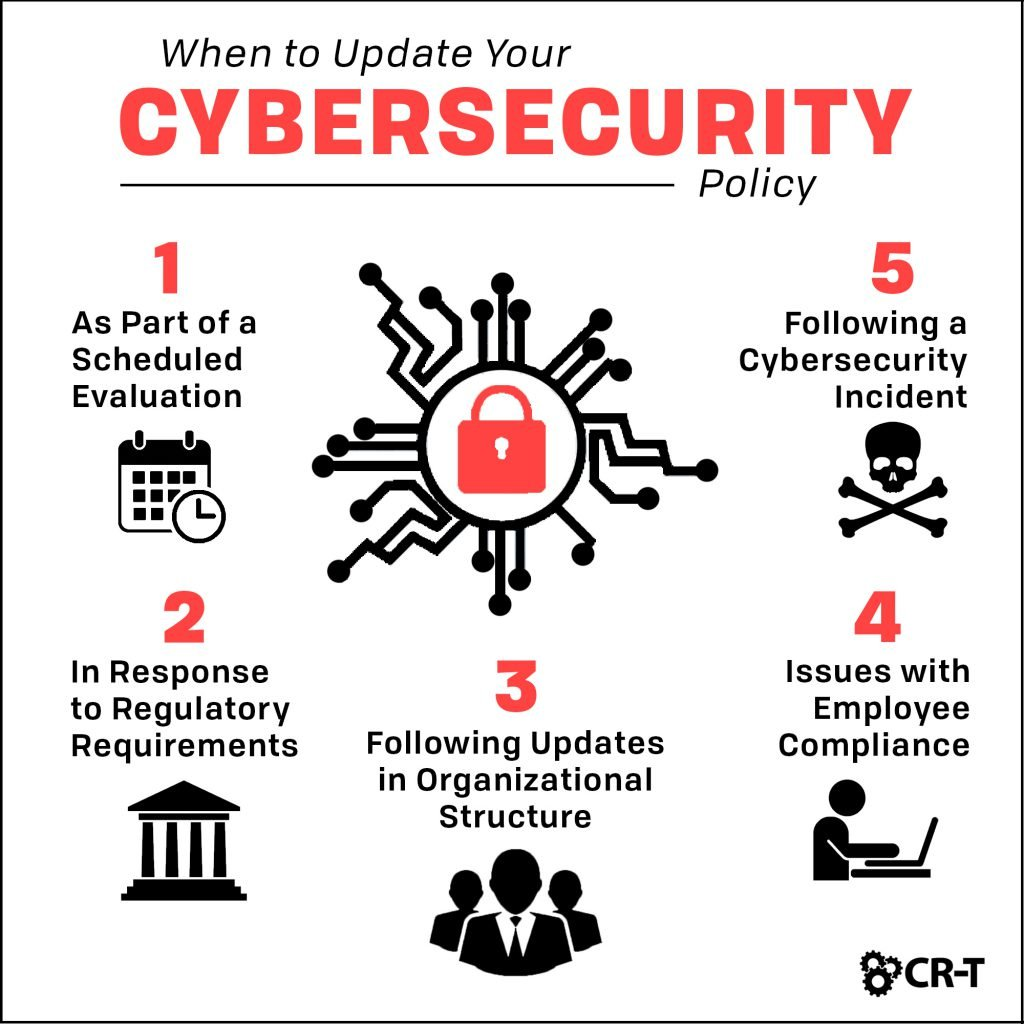
While a security framework alone may not guarantee that data breaches will never occur, it plays a vital role in minimizing the likelihood and impact of such incidents. Here’s how:
Proactive Risk Management
A security framework emphasizes proactive risk management. It helps organizations assess threats and vulnerabilities in advance and put measures in place to prevent them. By identifying weaknesses in systems and processes, companies can take steps to address them before they are exploited by cybercriminals.
Standardization of Security Practices
One of the most important aspects of a security framework is the standardization of cybersecurity practices. Security frameworks provide a structured approach to securing an organization’s infrastructure. They ensure that security measures are implemented consistently across all areas of the organization, which reduces the risk of gaps in security defenses that could be exploited by attackers.
Layered Security
Security frameworks advocate for a layered approach to security, known as defense in depth. This strategy involves using multiple security measures at different levels to protect data. For example, even if an attacker bypasses one layer of security, other layers (such as encryption, network monitoring, and access control) may still prevent them from accessing sensitive information.
Incident Detection and Response
Although security frameworks can’t entirely eliminate the possibility of a data breach, they improve an organization’s ability to detect and respond to incidents swiftly. Early detection of security breaches can minimize the damage and help recover sensitive data before it is fully compromised.
Compliance with Regulations and Best Practices
Security frameworks help organizations adhere to industry regulations and best practices, which are often designed to prevent data breaches. Compliance with frameworks like NIST CSF or ISO/IEC 27001 ensures that organizations meet security standards and mitigate risks associated with non-compliance.
Employee Training and Awareness
Many data breaches occur due to human error, such as employees falling victim to phishing attacks. Security frameworks emphasize the importance of training employees on security best practices and raising awareness of common threats. This reduces the likelihood of breaches caused by social engineering attacks.
Continuous Improvement
A key principle of security frameworks is continuous improvement. This involves regularly reviewing and updating security policies and practices to adapt to evolving threats. By staying up to date with the latest cybersecurity developments, organizations can better defend themselves against emerging threats.
Limitations of Security Frameworks
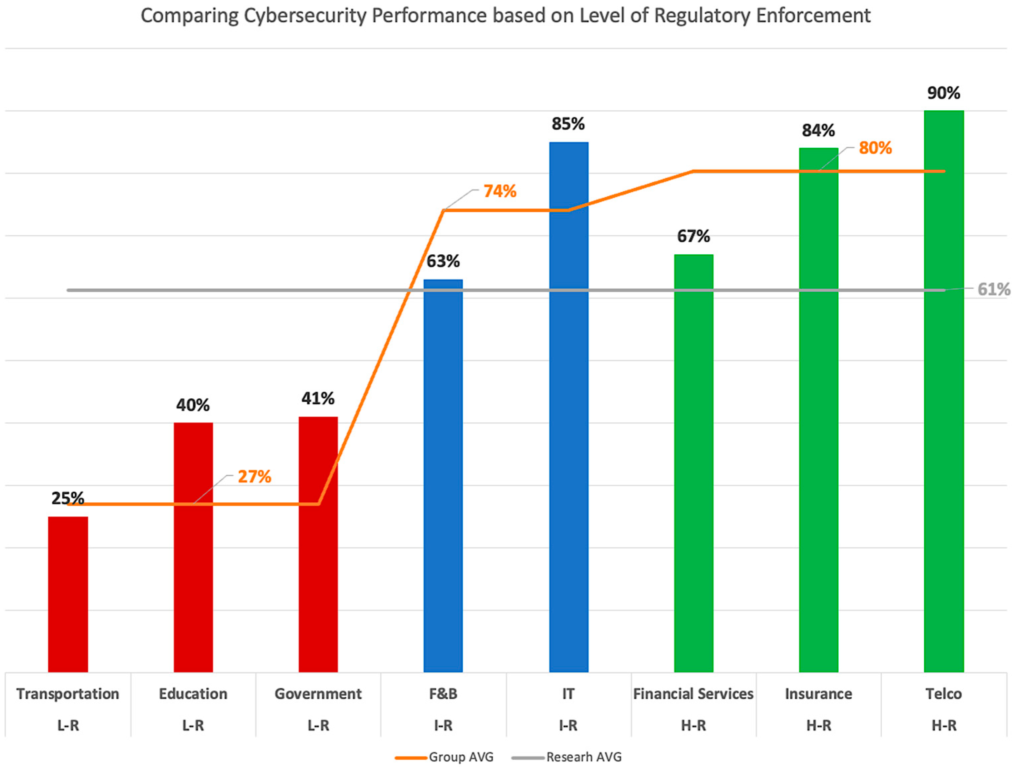
While security frameworks offer substantial benefits, they are not foolproof. There are several limitations that organizations need to be aware of:
Human Error
Even with the best security framework in place, human error remains a significant vulnerability. Employees may inadvertently compromise security by falling for phishing scams or mishandling sensitive data. Frameworks help mitigate this risk but cannot eliminate it entirely.
Evolving Threat Landscape
Cybercriminals are constantly developing new methods to bypass security measures. Security frameworks can provide guidance on securing current technologies, but they may struggle to keep up with rapidly evolving attack techniques.
Cost and Complexity
Implementing a comprehensive security framework can be costly, especially for small and medium-sized businesses. It requires investments in technology, training, and ongoing monitoring. Additionally, the complexity of some frameworks may be overwhelming for organizations without dedicated IT resources.
Incomplete Implementation
A security framework is only as effective as its implementation. If an organization fails to follow the framework’s guidelines or does not enforce policies properly, the risk of a data breach remains high.
Also Read :-What Is The Importance Of A Security Policy?
Conclusion
A security framework cannot guarantee that a data breach will never occur, but it significantly enhances an organization’s ability to prevent, detect, and respond to cybersecurity threats. By following best practices, identifying vulnerabilities, and implementing layered defenses, organizations can reduce their risk of data breaches and ensure that they are better prepared for potential attacks. However, businesses must understand that security frameworks are only effective when properly implemented and continuously updated.
FAQs
What is the most widely used security framework?
The NIST Cybersecurity Framework is one of the most widely adopted security frameworks, especially in the United States. It is recognized for its flexibility and applicability to organizations of all sizes.
Can a small business benefit from a security framework?
Yes, small businesses can greatly benefit from implementing a security framework. It helps them establish a strong security posture and protect valuable data without the need for extensive resources.
How often should a security framework be reviewed?
A security framework should be reviewed regularly—typically annually or after a significant change to the organization’s IT environment or threat landscape. This ensures that security measures remain relevant and effective.
Are security frameworks only for large organizations?
No, security frameworks are beneficial for organizations of all sizes. Even small organizations can use frameworks to develop cybersecurity strategies and mitigate risks.
What are the consequences of not following a security framework?
Failing to follow a security framework can lead to vulnerabilities that increase the risk of data breaches, compliance violations, and significant financial losses.
How can a security framework help with compliance?
Many security frameworks, such as ISO/IEC 27001, are designed to help organizations comply with regulatory requirements like GDPR or HIPAA. By implementing a security framework, organizations can ensure they meet necessary compliance standards.
Is a security framework a one-time implementation?
No, a security framework requires continuous monitoring, updating, and refinement to adapt to new threats and evolving technologies. It is an ongoing process.