
The rapid evolution of telecommunications technology has led to the introduction of 5G networks, promising ultra-fast speeds, low latency, and massive connectivity. Unlike its predecessors, 5G technology is designed to transform industries by enabling automation, real-time data exchange, and seamless connectivity. From healthcare to manufacturing, and transportation to entertainment, 5G is paving the way for a smarter and more connected world. In this article, we explore how 5G technology is revolutionizing various industries globally.
Key Takeaways
- 5G enhances telemedicine, remote surgeries, and real-time patient monitoring in healthcare.
- Smart factories and predictive maintenance improve efficiency in manufacturing.
- Autonomous vehicles and smart traffic systems are revolutionizing transportation.
- Ultra-fast speeds enable better gaming, VR, and live entertainment experiences.
- Smart cities benefit from improved security, energy management, and waste management.
How Is 5G Technology Revolutionizing Healthcare?
Enhanced Telemedicine Services
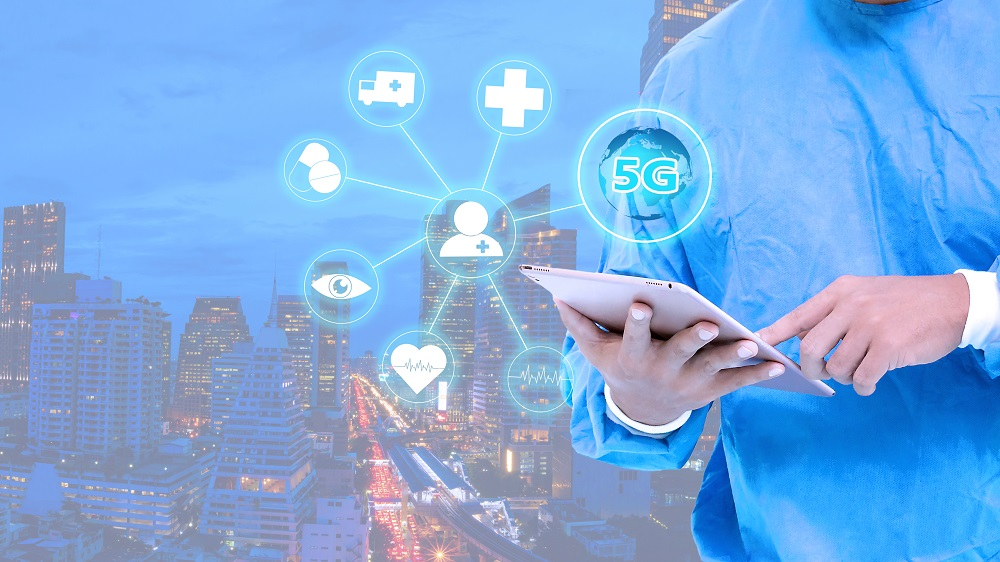
With low latency and high-speed data transfer, 5G has significantly improved telemedicine services. Patients can now receive real-time consultations from medical professionals without interruptions.
Remote Surgeries
5G allows robotic-assisted remote surgeries, enabling experienced surgeons to operate on patients in different parts of the world. The reduced latency ensures precise and immediate execution of surgical procedures.
Improved Patient Monitoring
Wearable devices and IoT-based medical equipment provide real-time health tracking. 5G enables continuous monitoring of critical patients and immediate alerts in case of abnormalities.
How Is 5G Transforming the Manufacturing Industry?
Smart Factories and Automation
5G-powered smart factories integrate AI, IoT, and robotics, ensuring better automation and reduced human intervention. This improves efficiency and minimizes errors in production lines.
Predictive Maintenance
With real-time data analytics, manufacturers can predict machinery failures before they occur, reducing downtime and enhancing productivity.
Enhanced Supply Chain Management
5G connectivity provides better tracking of goods, ensuring real-time inventory management and logistics optimization.
What Is the Impact of 5G on Transportation and Logistics?
| Aspect | Impact of 5G |
|---|---|
| Autonomous Vehicles | Enhances real-time communication, enabling safer and more efficient self-driving trucks and cars. |
| Fleet Management | Improves tracking and monitoring with ultra-fast, low-latency connectivity for better route optimization. |
| Supply Chain Visibility | Provides real-time tracking of shipments, reducing delays and enhancing transparency. |
| Smart Warehousing | Enables automation, AI-driven robotics, and IoT devices to improve inventory management. |
| Predictive Maintenance | Sensors and AI analyze vehicle and equipment performance to prevent breakdowns and reduce downtime. |
| Traffic Management | Supports smart traffic systems that reduce congestion and enhance road safety. |
| Last-Mile Delivery | Enables drone and robotic deliveries with precise navigation and real-time adjustments. |
| V2X Communication | Enhances vehicle-to-everything (V2X) communication for better coordination between vehicles, infrastructure, and pedestrians. |
| Cost Reduction | Reduces fuel consumption, maintenance costs, and operational inefficiencies. |
| Environmental Impact | Optimizes routes and energy usage, reducing carbon footprints and emissions. |
Autonomous Vehicles
5G enables self-driving cars by providing faster data transmission and instant communication between vehicles, reducing accidents and improving traffic efficiency.
Smart Traffic Management
With real-time traffic monitoring, authorities can optimize routes, reduce congestion, and ensure efficient urban mobility.
Enhanced Fleet Tracking
Logistics companies can leverage 5G for real-time tracking, enhanced route optimization, and better fuel efficiency, reducing operational costs.
How Does 5G Technology Improve the Entertainment Industry?
Seamless Streaming and Gaming
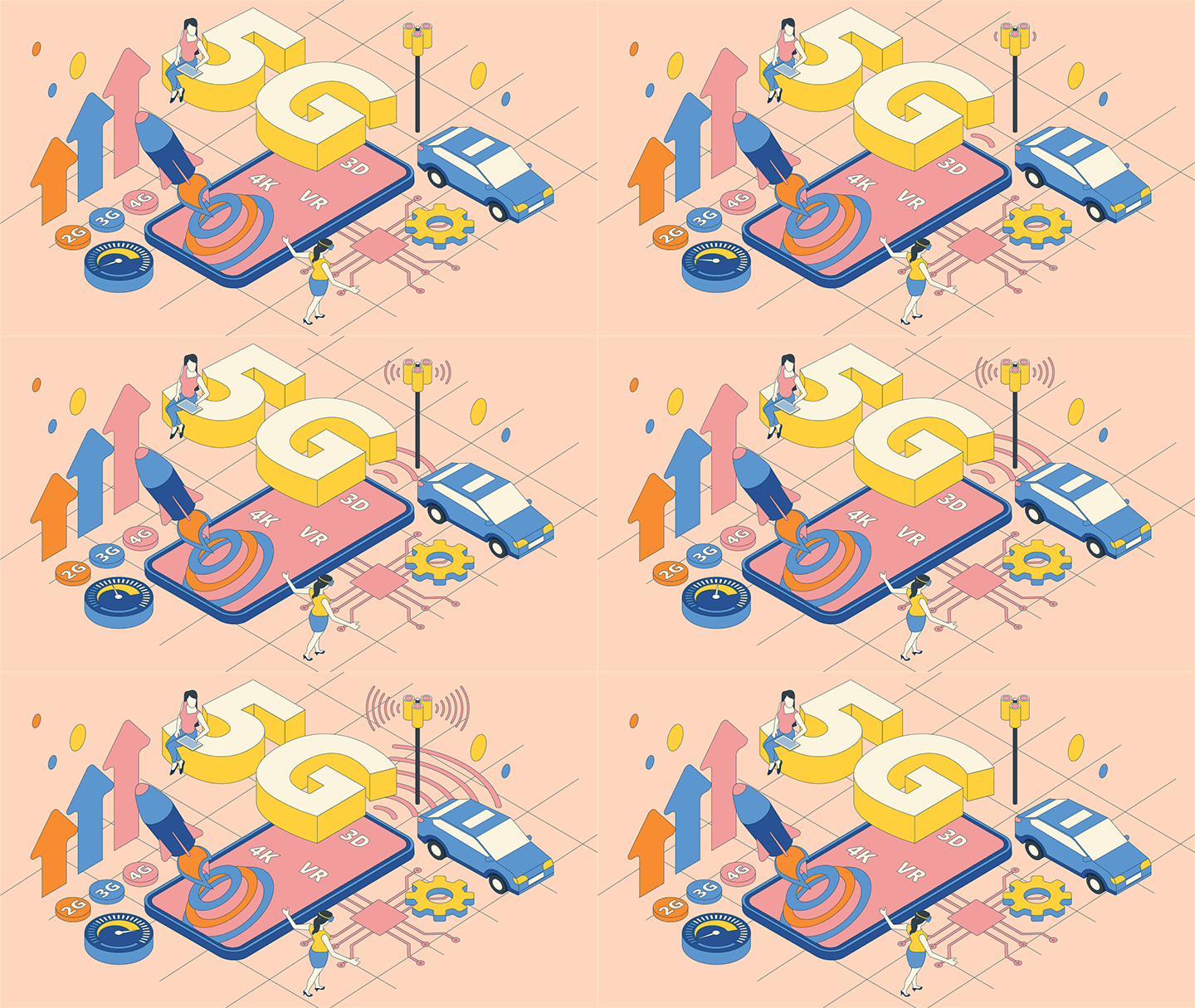
With faster download speeds and ultra-low latency, 5G enhances the gaming and video streaming experience, enabling cloud gaming and 4K/8K video streaming without buffering.
Virtual Reality (VR) and Augmented Reality (AR)
5G supports high-bandwidth applications like VR and AR, revolutionizing entertainment, education, and even remote work environments.
Live Broadcasting and Events
Live events, concerts, and sports can be streamed in high definition with minimal latency, providing an immersive experience for viewers worldwide.
How Is 5G Powering Smart Cities?
Enhanced Public Safety
5G enables real-time video surveillance, AI-based security systems, and smart emergency response systems, improving urban safety.
Smart Energy Management
With real-time energy usage data, 5G helps optimize power distribution, reducing energy waste and promoting sustainability.
Efficient Waste Management
Smart waste management systems use 5G-connected IoT sensors to monitor trash levels and optimize collection schedules.
What Role Does 5G Play in the Financial Sector?
Faster and Secure Transactions
Banks and financial institutions benefit from faster, encrypted, and highly secure transactions, reducing cyber threats.
AI-Powered Financial Services
With 5G, AI-driven financial services such as automated trading, fraud detection, and real-time customer support become more efficient.
Improved Customer Experience
Chatbots, virtual banking assistants, and real-time financial consultations enhance customer engagement in the banking sector.
How Is 5G Transforming the Agricultural Industry?
Precision Farming
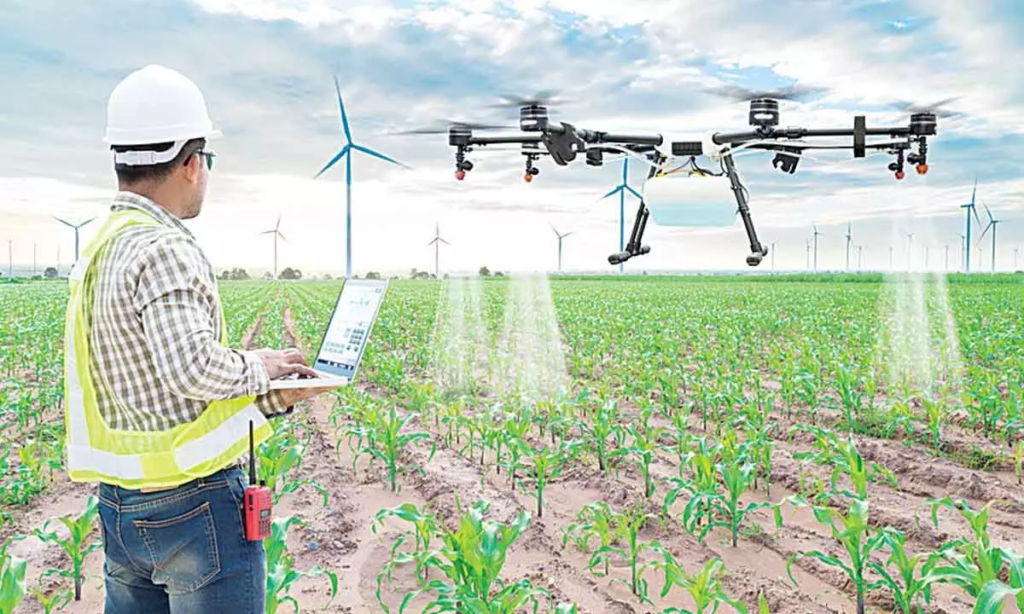
5G enables AI-driven drones and IoT sensors to collect real-time data for soil health, crop monitoring, and weather prediction, optimizing farm yields.
Automated Machinery
Self-driving tractors and automated irrigation systems use 5G to improve efficiency and reduce resource wastage.
Supply Chain Optimization
Farmers and agribusinesses can monitor crop conditions, transportation, and market demands in real-time, improving profitability.
Also Read :How Is Nanotechnology Revolutionizing Medicine And Healthcare?
Conclusion
5G technology is a game-changer, revolutionizing industries worldwide by enabling automation, real-time data exchange, and improved efficiency. While there are challenges like security risks and infrastructure costs, the benefits outweigh the drawbacks. As 5G continues to expand, businesses and governments must invest in security and regulatory measures to maximize its potential.
FAQs
1. How does 5G differ from 4G?
5G offers faster speeds, lower latency, and greater capacity than 4G, allowing more devices to connect seamlessly.
2. What are the potential risks of 5G?
Potential risks include cybersecurity threats, infrastructure costs, and privacy concerns, which need proper regulations and safeguards.
3. How will 5G impact job markets?
While some jobs may become automated, new opportunities in AI, IoT, and network management will emerge.
4. Is 5G safe for health?
According to scientific studies, 5G radiation falls within safe limits, but further research is ongoing.
5. When will 5G be fully implemented worldwide?
Full global adoption may take a few years, depending on infrastructure development and government policies.
6. Can 5G work in rural areas?
Yes, but deployment challenges like infrastructure costs and geographical constraints may delay widespread access.
7. Will 5G replace Wi-Fi?
Not entirely. 5G will complement Wi-Fi, but wired connections will still be used in many areas for stability and cost-effectiveness.