
In today’s rapidly evolving technological landscape, businesses are constantly looking for ways to stay ahead of the curve. One major transformation that is reshaping the way companies operate is the shift to cloud computing and cloud hosting solutions. The concept of migrating to cloud hosting solutions has garnered significant attention from small startups to large enterprises. It offers various benefits such as scalability, flexibility, cost savings, and security improvements, all of which contribute to a business’s overall operational efficiency.
But why exactly should businesses consider migrating to cloud hosting solutions? In this article, we will dive deep into the reasons why cloud hosting is becoming the go-to option for businesses across industries. We will explore the various advantages, challenges, and common misconceptions associated with cloud hosting.
Key Takeaways
- Cloud hosting offers cost efficiency, scalability, and flexibility.
- It improves website performance, security, and data protection.
- Cloud hosting provides global accessibility and automatic updates.
- It helps businesses stay competitive and focus on their core activities.
What is Cloud Hosting?
Cloud hosting is a type of web hosting where websites, applications, and data are hosted on virtual servers, which are connected to a network of physical servers housed in a data center. These virtual servers are dynamically scalable, meaning they can grow or shrink depending on the demands of the business. Unlike traditional hosting, which relies on a single physical server, cloud hosting distributes the resources across multiple servers, providing better redundancy, flexibility, and uptime.
Cloud hosting solutions can be categorized into three main types:
- Public Cloud – Resources are shared among multiple clients, making it a cost-effective solution for businesses with standard hosting requirements.
- Private Cloud – Dedicated cloud infrastructure to a single client, offering enhanced control and security.
- Hybrid Cloud – A combination of both public and private clouds, allowing businesses to optimize their hosting requirements based on specific needs.
With the growing reliance on the internet and digital services, cloud hosting has become an integral part of modern business operations. The flexibility and scalability it provides can help businesses innovate faster, reduce operational costs, and focus more on their core activities.
Why Should Businesses Consider Migrating to Cloud Hosting Solutions?

Cost Efficiency and Reduced Infrastructure Costs
One of the main reasons businesses are migrating to cloud hosting solutions is the significant cost savings they offer. Traditional hosting requires large upfront investments in hardware, software, and IT infrastructure. This can be a financial burden for many companies, especially smaller businesses with limited budgets.
Cloud hosting, on the other hand, operates on a pay-as-you-go model, meaning businesses only pay for the resources they use. This can result in substantial savings on IT maintenance and hardware investments. Additionally, companies don’t need to hire extensive IT staff to manage physical servers, further reducing costs.
Scalability and Flexibility
Cloud hosting solutions provide an unparalleled level of scalability. Businesses can easily adjust their resources—such as bandwidth, storage, and processing power—based on their current needs. This level of flexibility is particularly beneficial for businesses with fluctuating demands or rapid growth.
For instance, e-commerce businesses experience spikes in traffic during holiday seasons or special promotions. With cloud hosting, they can scale up their resources in real-time to meet increased demand and then scale back down when traffic returns to normal levels. This eliminates the need for over-provisioning, reducing waste and ensuring that businesses only pay for the resources they need.
Enhanced Security and Data Protection
| Security Feature | Description | Benefits |
|---|---|---|
| Encryption (In-Transit and At-Rest) | Data is encrypted both when it’s being transmitted and when it’s stored. | Ensures that sensitive data remains protected from unauthorized access during transmission and storage. |
| Firewalls | Virtual firewalls are implemented to filter incoming and outgoing traffic. | Protects the network from malicious attacks and unauthorized access. |
| Multi-Factor Authentication (MFA) | Requires users to provide two or more verification factors before gaining access. | Adds an extra layer of security, making it harder for unauthorized individuals to access systems. |
| Intrusion Detection and Prevention Systems (IDPS) | Monitors network traffic for signs of suspicious activity and takes action to prevent breaches. | Detects and prevents potential security threats in real-time. |
| Regular Software and Security Updates | Cloud providers ensure their systems are always up to date with the latest patches and software updates. | Reduces the risk of cyberattacks by fixing known vulnerabilities. |
| Data Backup and Recovery | Automated backups of critical business data are stored securely. | Ensures that in case of data loss or breach, business data can be recovered. |
| Access Controls and Role-Based Access | Only authorized personnel are allowed to access sensitive data based on their roles. | Restricts access to sensitive data, ensuring only necessary parties can view or modify it. |
| DDoS Protection | Cloud hosting providers offer Distributed Denial-of-Service (DDoS) attack protection. | Safeguards your systems against traffic overloads that may disrupt service. |
| Compliance and Certifications | Cloud providers comply with industry regulations such as GDPR, HIPAA, and PCI-DSS. | Ensures that your business adheres to necessary legal and industry standards. |
| Physical Security at Data Centers | Data centers where the cloud hosting providers store data are protected by physical security measures. | Ensures that data is safe from physical threats such as theft or natural disaste |
Security is one of the biggest concerns for businesses when it comes to web hosting. Cloud hosting providers invest heavily in security measures to protect their clients’ data. With cloud hosting, data is often encrypted both in transit and at rest, and businesses can implement additional security measures such as firewalls, intrusion detection systems, and multi-factor authentication.
Moreover, most cloud hosting providers offer data backup and disaster recovery services, ensuring that critical business data is protected from accidental loss or cyber-attacks. Cloud hosting can provide a level of security that is often difficult to achieve with traditional hosting, particularly for smaller businesses that may not have the resources to implement comprehensive security solutions.
Increased Uptime and Reliability
Cloud hosting is built on a distributed network of servers, which means that if one server goes down, another one can take over, ensuring high availability. This redundancy helps ensure that your website or application remains accessible even in the event of a server failure.
Most reputable cloud hosting providers offer Service Level Agreements (SLAs) that guarantee uptime rates of 99.9% or higher. This reliability is critical for businesses that rely on their online presence for revenue generation and customer engagement. With cloud hosting, businesses can avoid downtime and provide a consistent and reliable user experience.
Improved Performance and Speed
Cloud hosting can significantly enhance the performance and speed of websites and applications. By distributing content across multiple servers, cloud hosting reduces latency and improves load times for users across different geographic regions. Many cloud hosting providers also utilize Content Delivery Networks (CDNs), which cache content closer to the end-users, improving website performance.
For businesses operating globally or targeting customers in different regions, cloud hosting can help deliver a faster, more responsive user experience, leading to higher customer satisfaction and improved SEO rankings.
Automatic Software Updates and Maintenance

Traditional hosting often requires businesses to manually update software, security patches, and manage server maintenance. Cloud hosting takes care of these tasks automatically, ensuring that businesses are always running the latest software versions without downtime or manual intervention.
Automatic updates and maintenance ensure that security vulnerabilities are patched quickly and that systems remain up-to-date with the latest features. This frees up time for businesses to focus on more important tasks and reduces the risk of outdated software creating security gaps.
Global Accessibility
One of the key advantages of cloud hosting is that it enables businesses to access their data, applications, and services from anywhere with an internet connection. This flexibility is essential for businesses with remote teams or those that operate globally.
Whether employees are working from home, in different office locations, or traveling abroad, cloud hosting allows them to collaborate in real-time and access critical business resources seamlessly. This global accessibility improves productivity, communication, and overall efficiency.
Environmental Sustainability
Cloud hosting can also contribute to a business’s sustainability efforts. Since cloud hosting providers typically operate large data centers with efficient, optimized hardware, they are able to reduce energy consumption compared to businesses running their own on-premise infrastructure.
Additionally, cloud hosting providers often use renewable energy sources to power their data centers, reducing their environmental footprint. By migrating to the cloud, businesses can align their operations with sustainability goals and contribute to reducing overall carbon emissions.
Common Misconceptions about Cloud Hosting
Cloud Hosting is Not Secure Enough
Some businesses are hesitant to migrate to cloud hosting due to concerns about security. While no system is entirely immune to cyber threats, cloud hosting providers invest heavily in security protocols and compliance with industry standards. In many cases, the security measures in place on the cloud are more robust than what businesses could implement on their own.
Cloud Hosting is Only for Large Businesses
Many small and medium-sized businesses assume that cloud hosting is only suitable for large enterprises with significant IT budgets. However, the scalability and flexibility of cloud hosting make it an ideal solution for businesses of all sizes, including startups and small businesses. The pay-as-you-go pricing model makes it affordable, allowing smaller businesses to access enterprise-grade technology without breaking the bank.
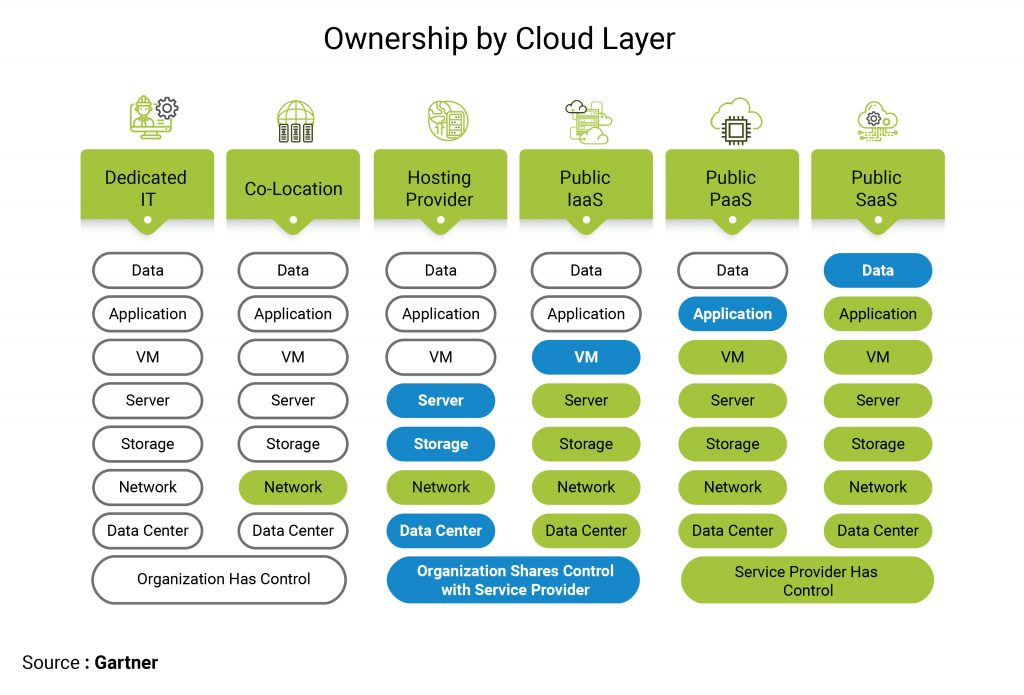
Cloud Hosting Means Losing Control
Some businesses fear that migrating to the cloud will result in losing control over their IT infrastructure. However, cloud hosting offers flexibility in terms of customization and control. With private cloud or hybrid cloud options, businesses can maintain greater control over their hosting environment while still benefiting from the scalability and cost advantages of the cloud.
Also Read :- How To Choose The Best Cloud Computing Services For Your Needs?
Conclusion
Migrating to cloud hosting solutions offers businesses numerous benefits, from cost savings and scalability to enhanced security and performance. By leveraging cloud technology, businesses can stay competitive in an increasingly digital world. Whether you’re a small startup or a large enterprise, cloud hosting provides the flexibility, reliability, and efficiency needed to drive innovation and growth.
FAQs
What are the benefits of cloud hosting for small businesses?
Cloud hosting allows small businesses to access scalable resources, reduce infrastructure costs, improve security, and ensure reliability without significant upfront investments. It offers businesses flexibility and enables them to grow without worrying about resource limitations.
Can cloud hosting improve website speed?
Yes, cloud hosting can improve website speed by utilizing Content Delivery Networks (CDNs) and reducing latency through distributed server locations. This results in faster load times for users globally.
How does cloud hosting ensure data security?
Cloud hosting providers use encryption, multi-factor authentication, firewalls, and regular software updates to protect data. Many providers also offer backup and disaster recovery solutions to safeguard against data loss.
What happens if my cloud hosting provider experiences downtime?
Cloud hosting providers use redundant systems to ensure that your website remains operational even if one server fails. This reduces the risk of downtime, and most providers guarantee a certain level of uptime through Service Level Agreements (SLAs).
Is cloud hosting more affordable than traditional hosting?
Cloud hosting can be more affordable than traditional hosting, especially with its pay-as-you-go pricing model. Businesses only pay for the resources they use, eliminating the need for costly upfront investments in hardware and software.
Can I migrate my existing website to the cloud?
Yes, migrating your website to the cloud is possible. Most cloud hosting providers offer tools and support to help businesses transition smoothly to cloud-based infrastructure.
How can cloud hosting help with business scalability?
Cloud hosting offers dynamic scalability, allowing businesses to quickly adjust their resources based on traffic demands. This flexibility ensures that businesses can grow without being constrained by infrastructure limitations.